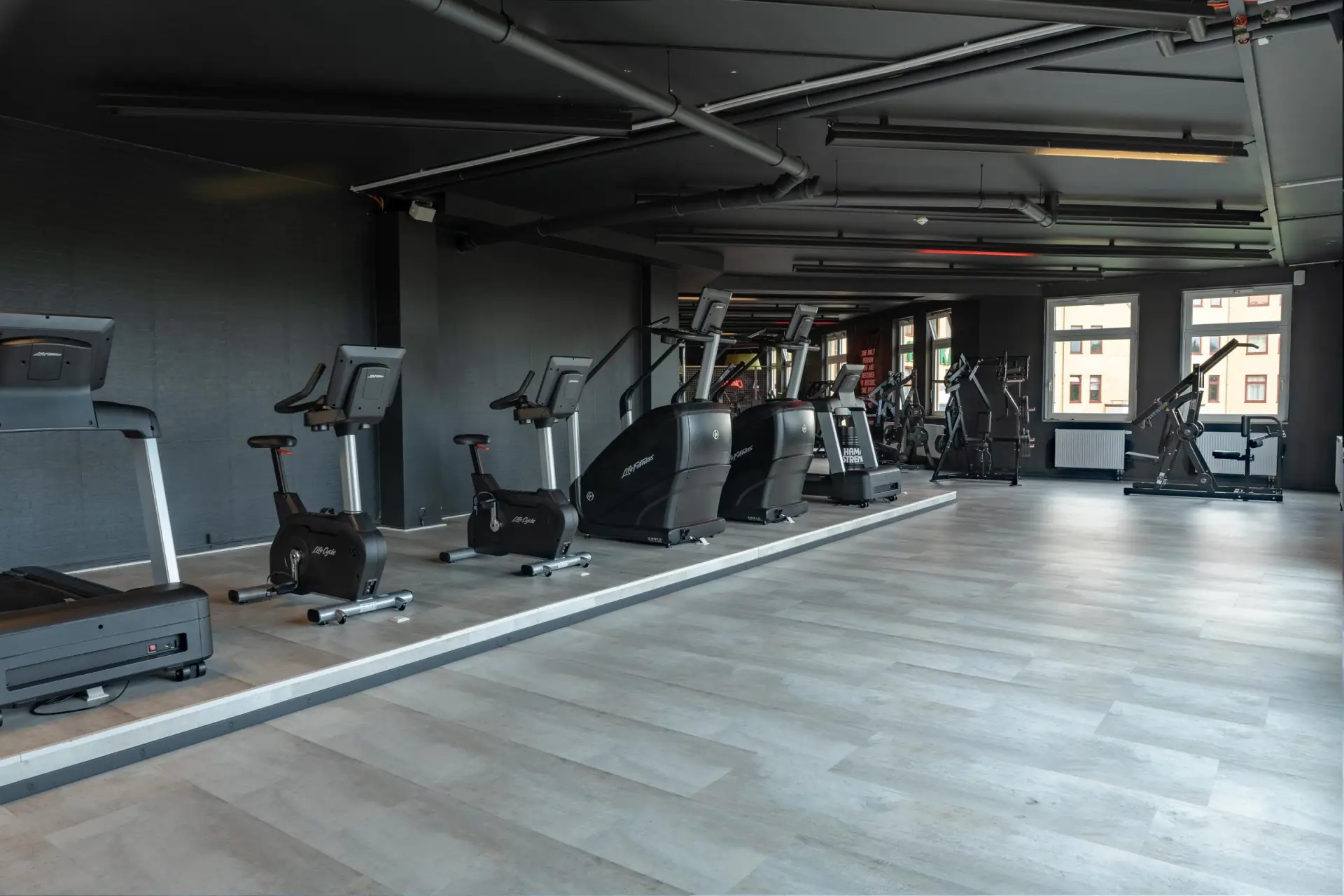
Plate-loaded vs free weights: which builds more muscle?
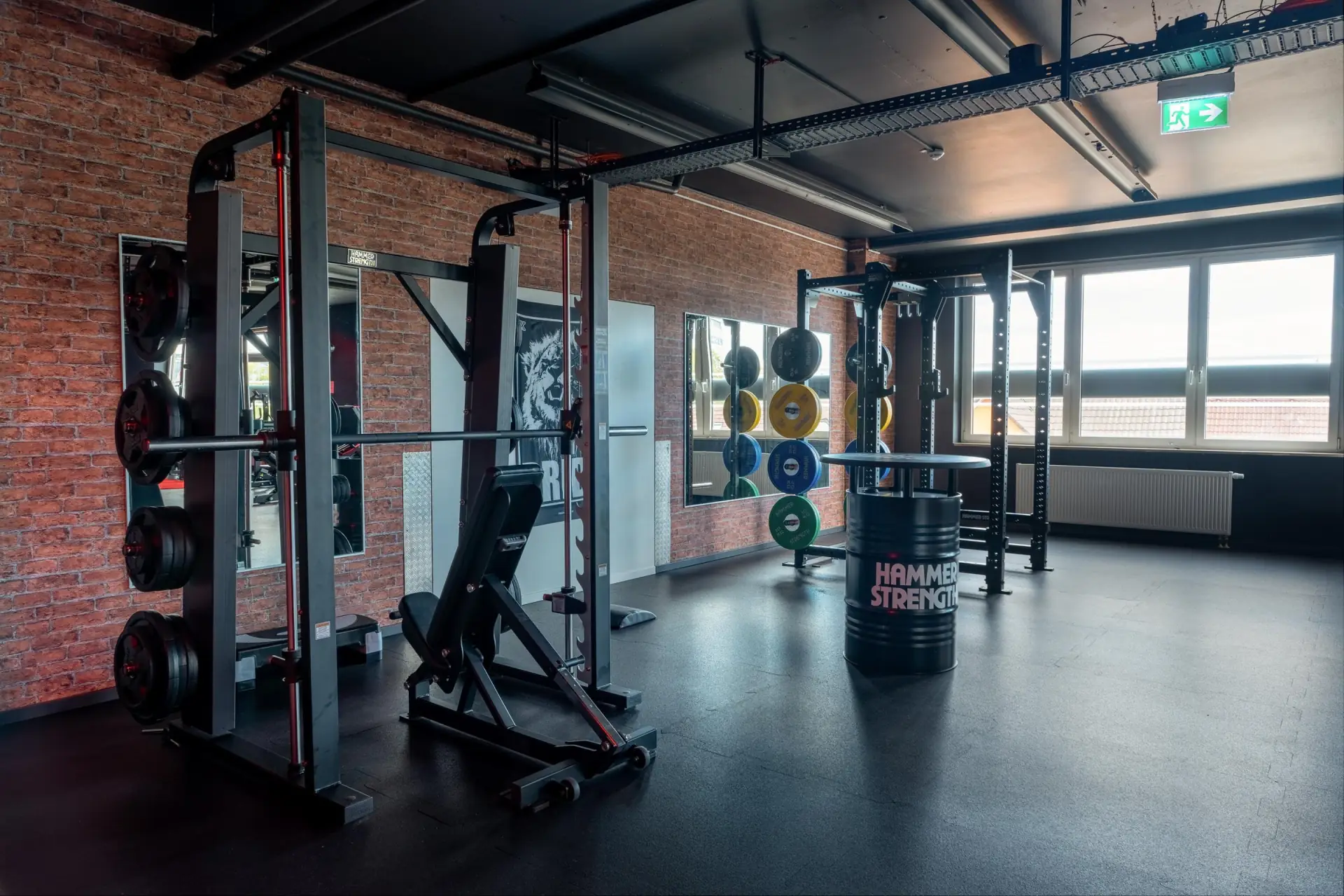
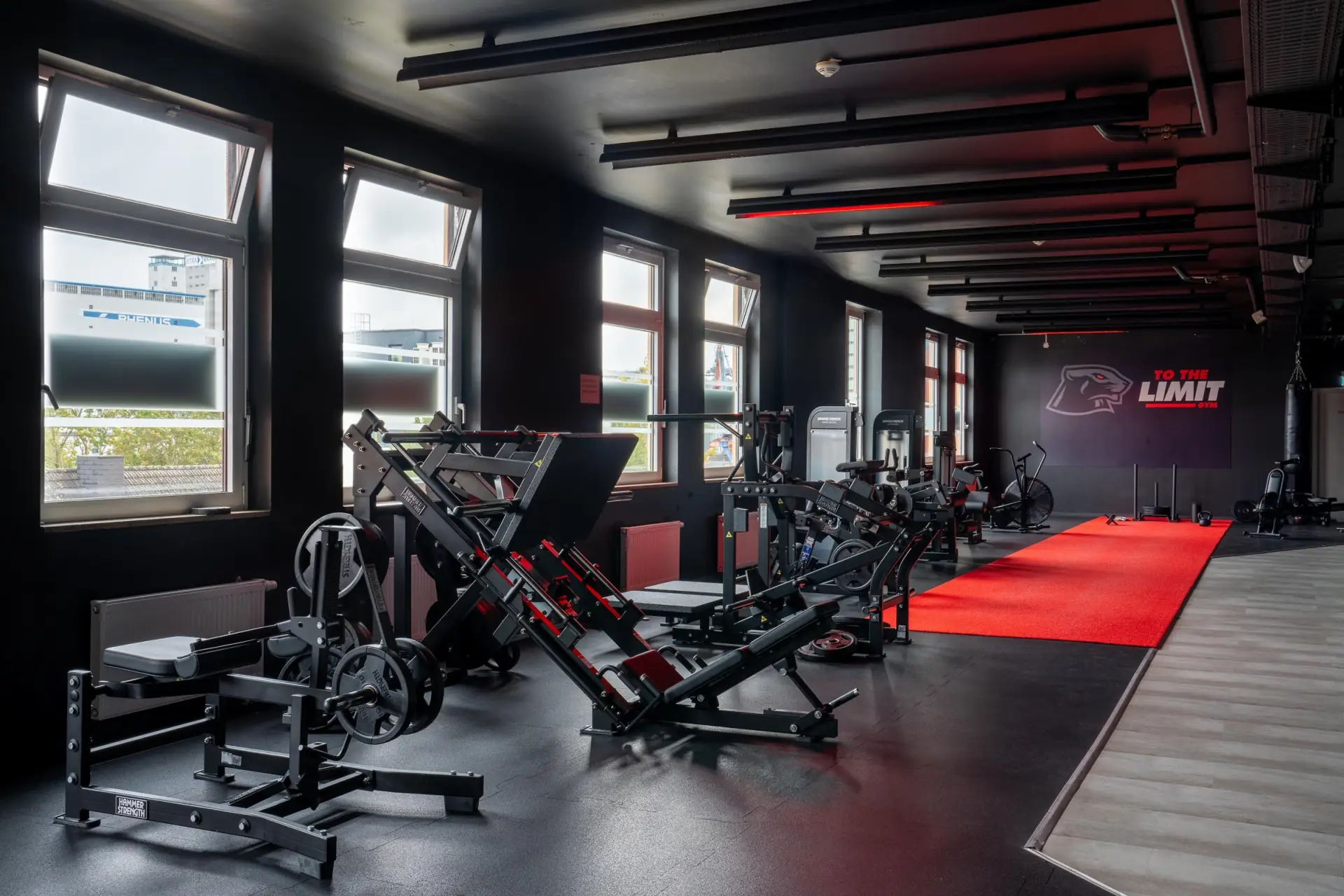
Plate-loaded machines like those from Hammer Strength have a firm place in serious gyms. They don't replace free weights, but they can do things a barbell can't.
What plate-loaded means
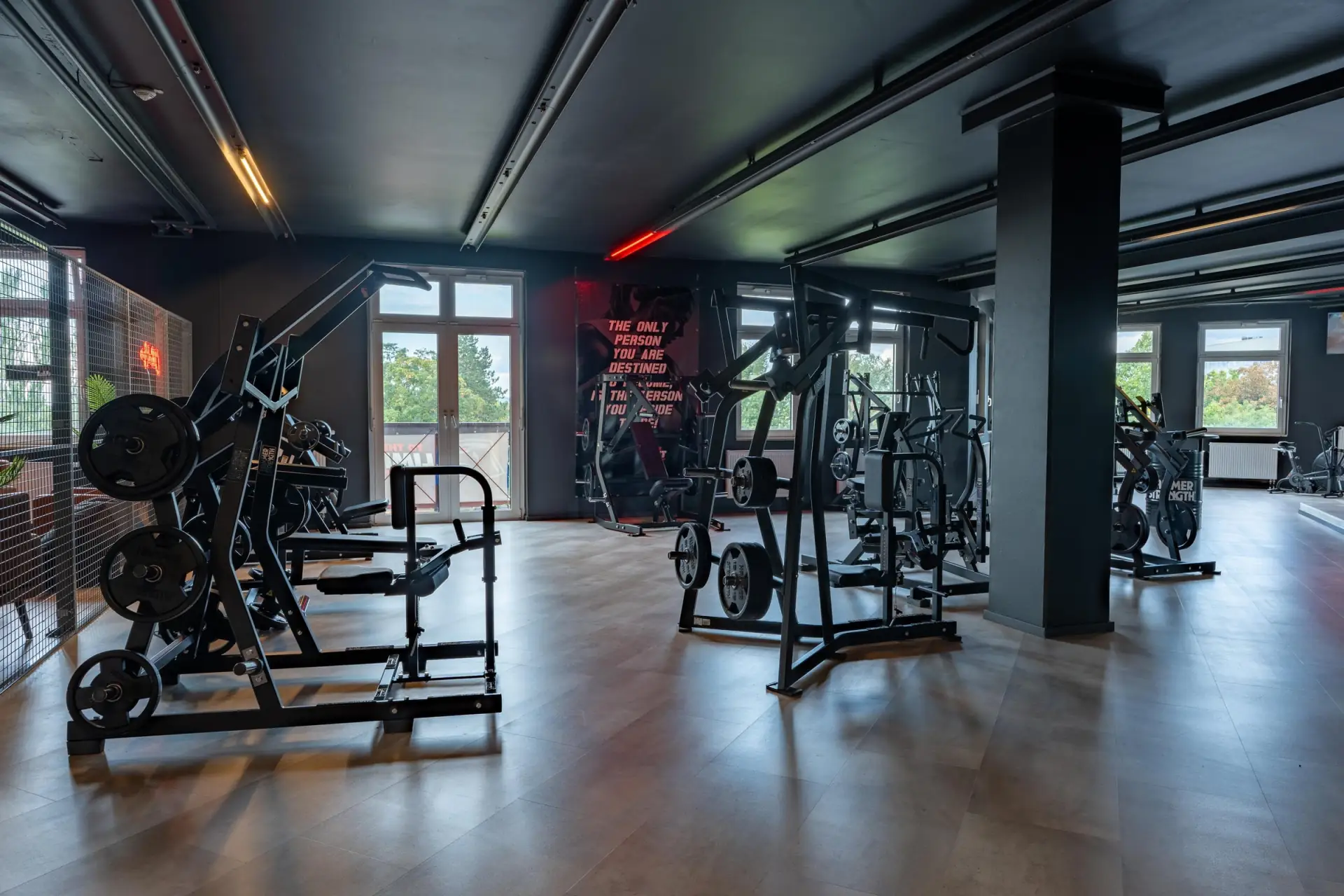
You load plate-loaded machines with regular weight plates instead of using a selector pin. The movement follows a fixed path, but the load feels like free weight.
Many Hammer Strength machines have independent arms. Each side moves its own weight, so your stronger side can't make up for the weaker one.
Where plate-loaded has the edge
For building muscle, what matters most is taking a muscle close to fatigue. Guided movements help with that.
- You can safely train close to failure without needing a spotter.
- Less effort goes into stabilising, so more goes into the target muscle.
- Independent arms make imbalances between sides visible.
- The technique is quick to learn, especially for beginners.
Where free weights remain irreplaceable
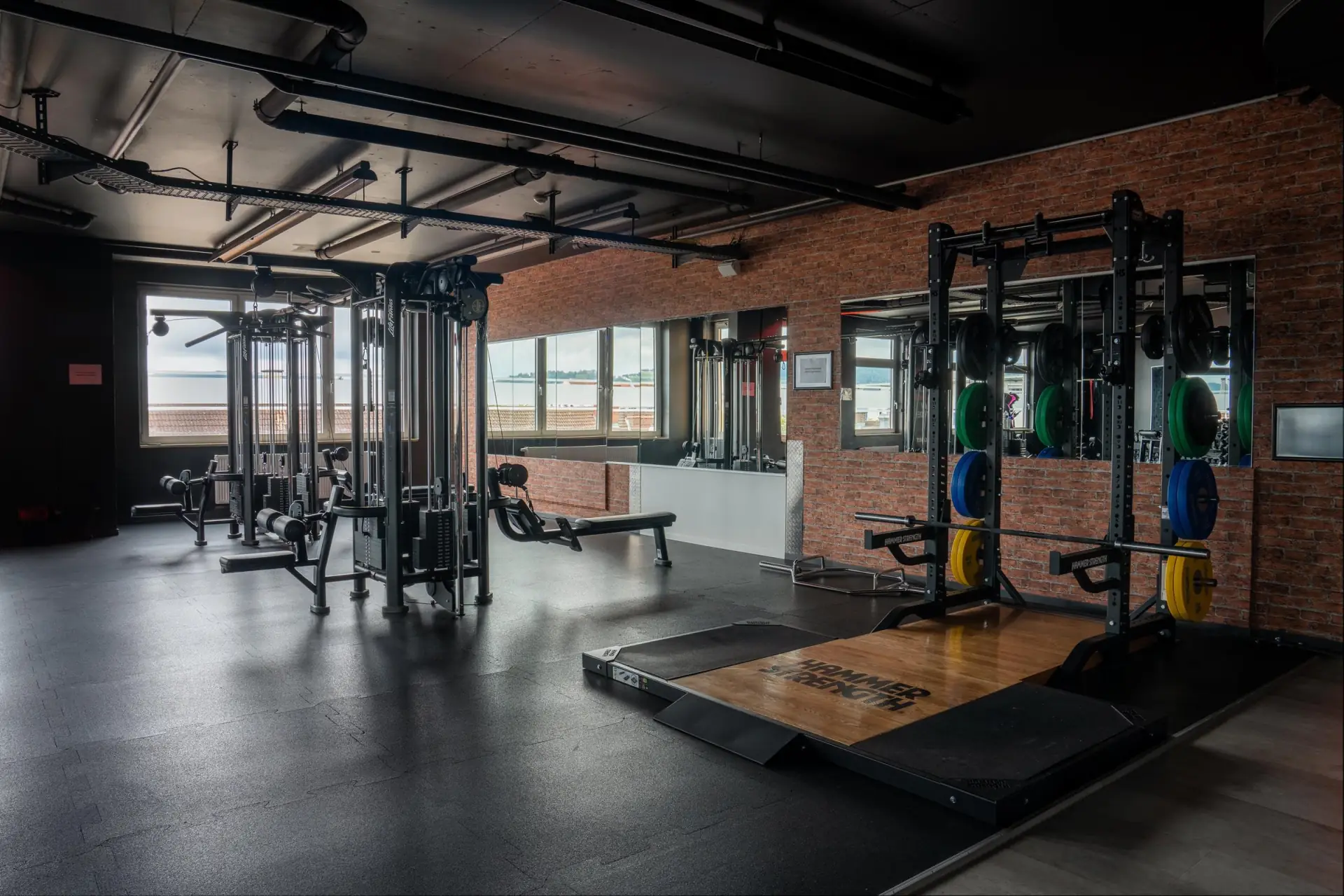
Barbell squats, deadlifts and bench presses train coordination and stability across your whole body. If maximal strength or powerlifting is your goal, there's no way around them.
Free weights are also valuable for athleticism and everyday life, because you have to control the weight yourself.
How to combine the two
A proven pattern: start your session with a heavy compound lift on the barbell, then move on to plate-loaded machines with higher reps. That way you get strength and volume without your technique suffering towards the end.
An example for legs: squats, then leg press and hack squat on Hammer Strength machines, finishing with leg curls on the machine.